How Portable Interfaces Are Reshaping Reward Pathways in Hybrid Bingo-Slot and Live Poker Formats for British Players
Rosa Sullivan · Aug 20, 2026
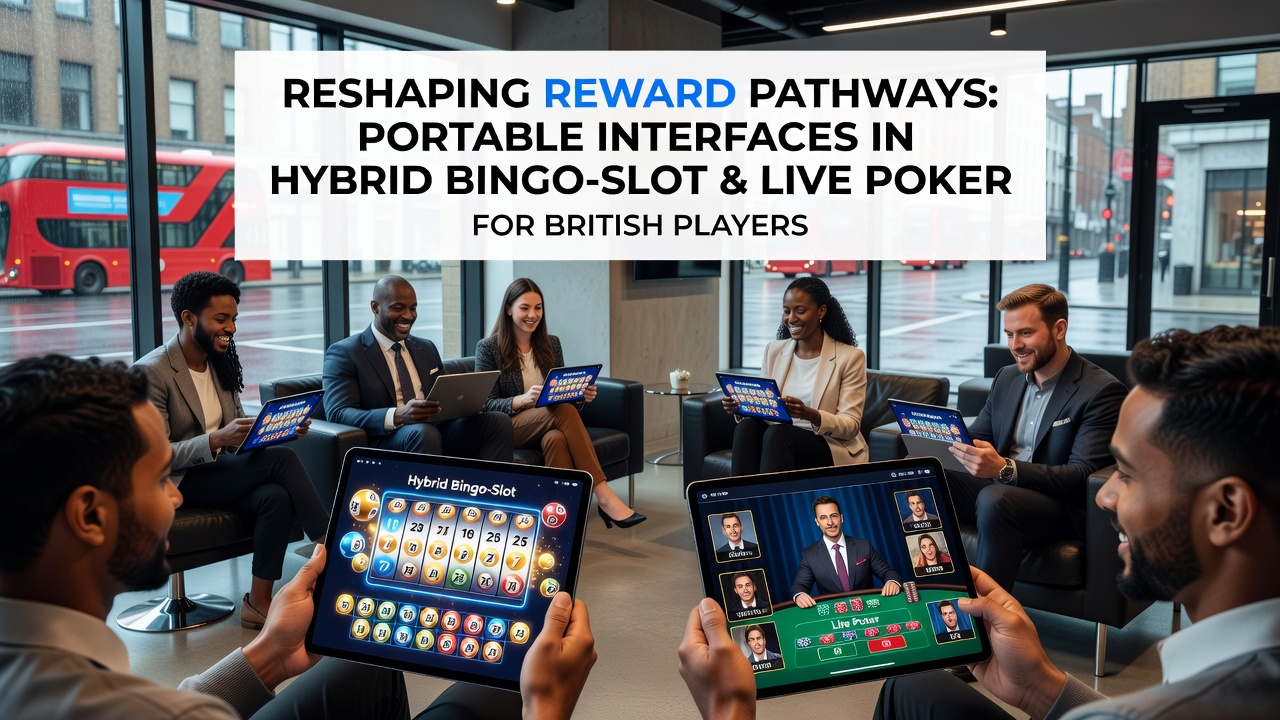
How Portable Interfaces Are Reshaping Reward Pathways in Hybrid Bingo-Slot and Live Poker Formats for British Players
British players have turned to portable interfaces in growing numbers for hybrid bingo-slot and live poker formats, where touch-based controls and instant visual feedback align with established patterns of reward processing in the brain. These devices deliver rapid cues through animations, sounds, and progress indicators that researchers associate with dopamine responses during gameplay sessions. Data collected across multiple markets shows that session lengths on mobile platforms often exceed those recorded on desktop setups by measurable margins, particularly when games blend bingo mechanics with slot-style reel spins.
Hybrid Bingo-Slot Mechanics on Portable Screens
Hybrid bingo-slot titles combine numbered pattern matching from bingo with spinning reels and multiplier features typical of slots, and portable interfaces allow players to toggle between these elements using simple gestures. Screens update in real time as numbers are called or symbols align, which creates continuous streams of small outcomes that maintain engagement without requiring separate loading times. Studies from the National Center for Responsible Gaming have tracked how such integrated loops influence attention allocation during extended play periods on handheld devices.
August 2026 figures from industry tracking services indicated that British accounts accessing these hybrids via smartphones accounted for over half of total hybrid game activity recorded that month. Developers have optimized layouts so that bingo cards sit alongside reel areas without crowding, and swipe or tap commands trigger both game modes simultaneously. This design reduces friction between actions and results, which behavioral analyses link to strengthened reward pathway activation compared with traditional single-mode titles.
Live Poker Adaptations for Mobile Users
Live poker formats adapted for portable devices stream real-time tables with camera feeds and betting controls that respond to finger inputs rather than mouse clicks. Players receive immediate stack updates, timer notifications, and chat prompts that keep multiple information channels active on one screen. Research published through the International Center for Gaming Regulation notes that these constant visual and haptic signals correspond with heightened physiological markers during competitive hands, similar to patterns observed in other fast-paced digital environments.
Observers have documented how British participants in live poker apps often maintain shorter decision windows on mobile, because interfaces highlight fold, call, or raise buttons with color-coded urgency. This setup compresses the interval between decision and outcome, which aligns with reward processing models that emphasize temporal proximity. Hybrid elements sometimes appear in these poker environments too, where side games incorporate bingo or slot features during breaks between hands.
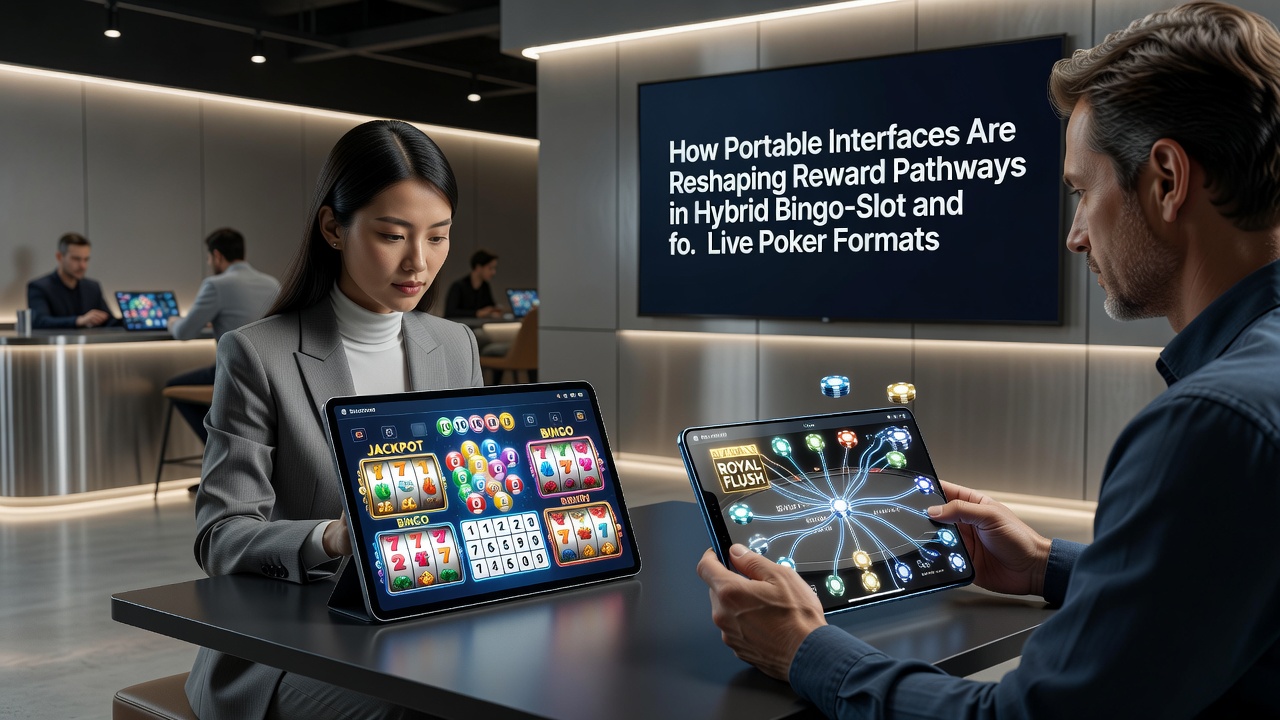
Interface Elements and Reward Pathway Activation
Portable screens emphasize micro-interactions such as animated card flips, progressive jackpots that tick upward in real time, and achievement badges that pop up after sequences of wins or near-misses. These elements appear consistently across bingo-slot hybrids and live poker clients, creating layered feedback that researchers connect to sustained striatal activity. Data from European gaming association reports shows increased repeat login rates among users whose devices deliver push notifications tied directly to game state changes.
Design choices like variable lighting effects and sound layering further reinforce outcome salience, while touch vibration patterns provide physical confirmation of virtual events. British players who switch between multiple hybrid formats within one app session encounter these cues in rapid succession, and longitudinal tracking indicates corresponding shifts in play frequency over months. The same reports highlight that interface customization options, such as adjustable animation speeds, allow individuals to modulate the intensity of these signals according to preference.
Market Trends Observed Through August 2026
Tracking services recorded steady expansion in hybrid format participation among British users throughout the first half of 2026, with portable access driving the majority of new registrations. Live poker rooms integrated into the same apps saw parallel growth, particularly during evening hours when commuters and remote workers reported higher engagement levels. Industry analysts attribute part of this pattern to the portability factor, which removes the need for dedicated hardware and enables play across varied daily routines.
Comparisons with earlier years reveal that reward-related metrics, including average spins or hands per session, have risen in tandem with improvements in screen responsiveness and network latency reductions. A study referenced by the Australian Gambling Research Centre found similar correlations in other jurisdictions where mobile penetration reached comparable levels, suggesting the trend extends beyond single markets.
Conclusion
Portable interfaces continue to influence how British players interact with hybrid bingo-slot and live poker products by compressing feedback loops and layering multiple sensory signals. Available data from regulatory monitoring bodies and academic sources demonstrates measurable changes in session characteristics and return rates that track with these design features. Ongoing platform updates scheduled beyond August 2026 are expected to refine these elements further while maintaining compliance with existing technical standards across the sector.